Flexibility and Security with a Hybrid Cloud Strategy
Cloud computing is no longer optional; it is a natural part of infrastructure planning. Yet for organizations that run manufacturing operations and process sensitive data, a "let's move everything to the cloud" approach is rarely the right one. Machine data on the factory floor must be processed within milliseconds; personal data must be stored under specific conditions as required by law; and legacy ERP systems cannot easily be moved to the cloud. Hybrid cloud is the way to strike a balance among these realities.
What Is Hybrid Cloud?
Hybrid cloud is an architecture in which systems in an organization's own data center (on-premises) and one or more public cloud services work together in an interconnected way. The goal is to run each workload in the most suitable environment and to establish secure data flows between environments.
Benefits of the Hybrid Model
- Flexibility: Periodic spikes in compute demand (month-end reporting, AI model training) are handled in the cloud, with no need to keep buying new hardware.
- Data control: Sensitive data can remain on the organization's own infrastructure; only the data that is needed, anonymized where necessary, goes to the cloud.
- Low latency: Applications that need to run close to the production line stay on site.
- Phased transformation: New applications can be developed in the cloud while legacy systems continue to run.
Which Workload Should Run Where?
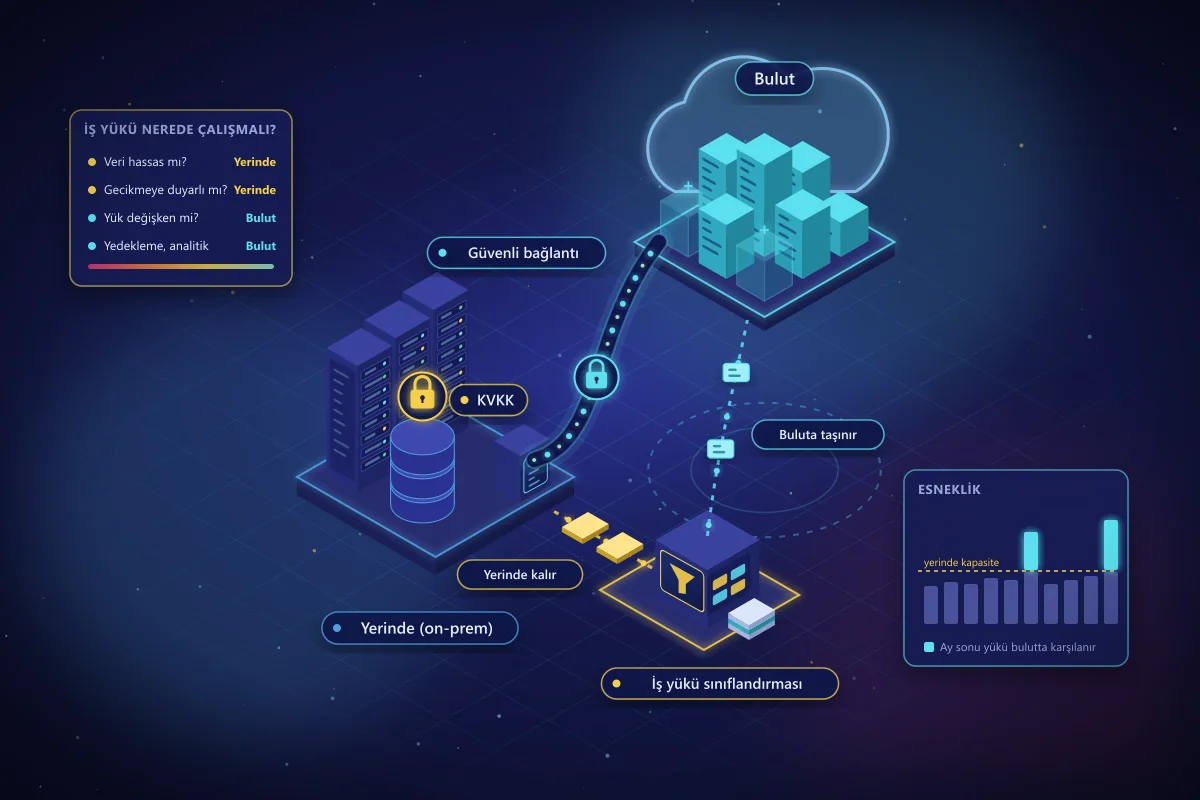
The foundation of a hybrid strategy is classifying workloads with a few simple questions:
- How sensitive is the data? Does it include personal data, trade secrets, or data protected under customer contracts?
- How latency-sensitive is it? An application that controls a machine in real time and a weekly report do not need the same environment.
- How variable is the load? Steady loads are generally more economical on-premises, while fluctuating loads are more economical in the cloud.
- Is the application cloud-ready? Legacy, tightly coupled systems should not be migrated without first being modernized.
In a typical manufacturing company, machine control, MES, and sensitive financial data stay on-premises, while analytics, AI model training, backup, email, and collaboration tools run in the cloud.
Phased Migration Plan
- Inventory and classification: Applications, data types, and dependencies are mapped out.
- Connectivity and identity infrastructure: Secure network connectivity between environments and unified identity management are established.
- Start with low-risk workloads: Backup, test environments, and analytics are the first areas to move.
- Modernization: Applications slated for the cloud are re-architected where needed.
- Monitoring and cost management: Usage and costs are monitored regularly, and idle resources are shut down.
Key Considerations
- KVKK (Turkey's Personal Data Protection Law) and data residency: Where personal data is stored and how it is transferred abroad must be assessed from a regulatory standpoint.
- Cost control: Cloud costs grow as usage grows; without tagging, budget alerts, and regular reviews, the bill can spiral out of control.
- Security: Connecting two environments expands the attack surface; access should be granted on the principle of least privilege, and traffic between environments should be encrypted.
- A single management view: Rather than monitoring the two environments separately, a shared monitoring and incident management structure should be established.
Conclusion
Hybrid cloud turns the question "cloud or on-premises?" into "which workload runs best where?" With the right classification and a phased migration plan, organizations gain flexibility while retaining control over their data. To address your infrastructure decisions alongside your digital transformation goals, explore our digital transformation consulting service.
Related service
Digital Transformation Consulting
Latest Insights
 blueskydx
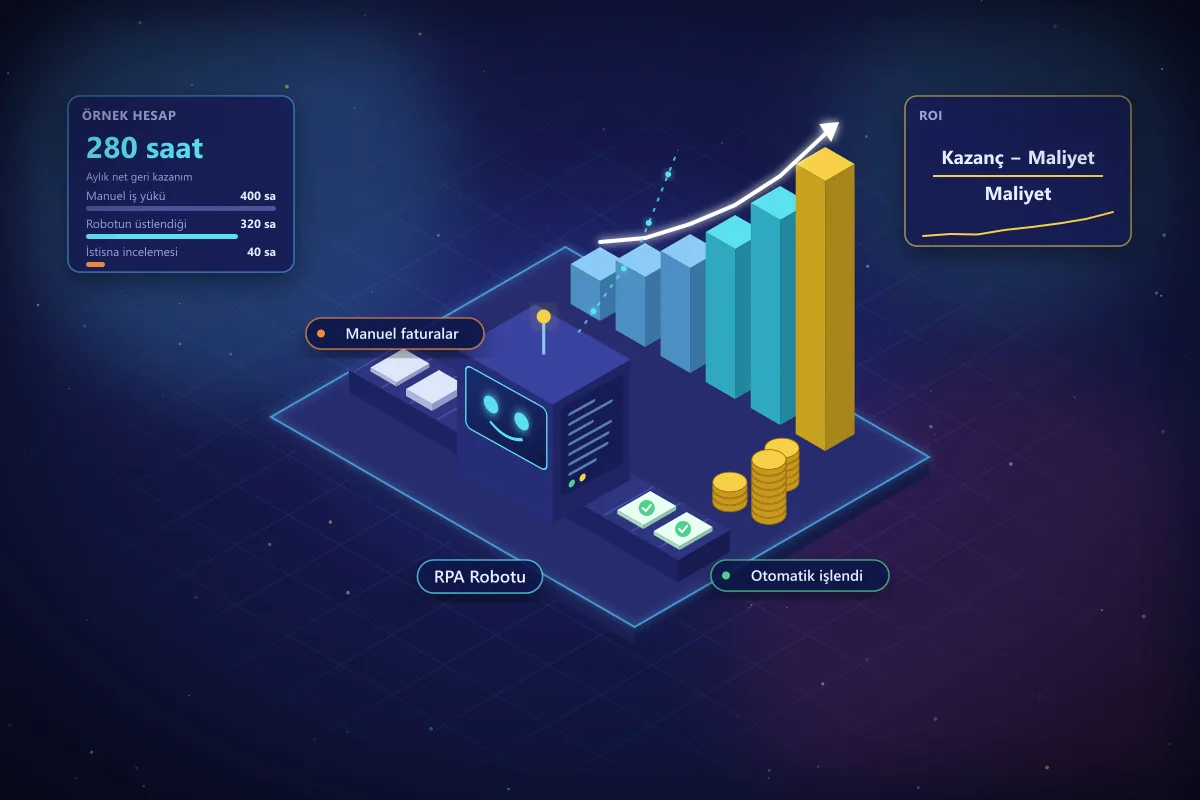
How to Calculate the ROI of an RPA Investment
Before starting an RPA project, how do you know which processes will actually pay off? A step-by-step ROI guide covering cost items, benefit items, a sample calculation, and common mistakes.
 blueskydx
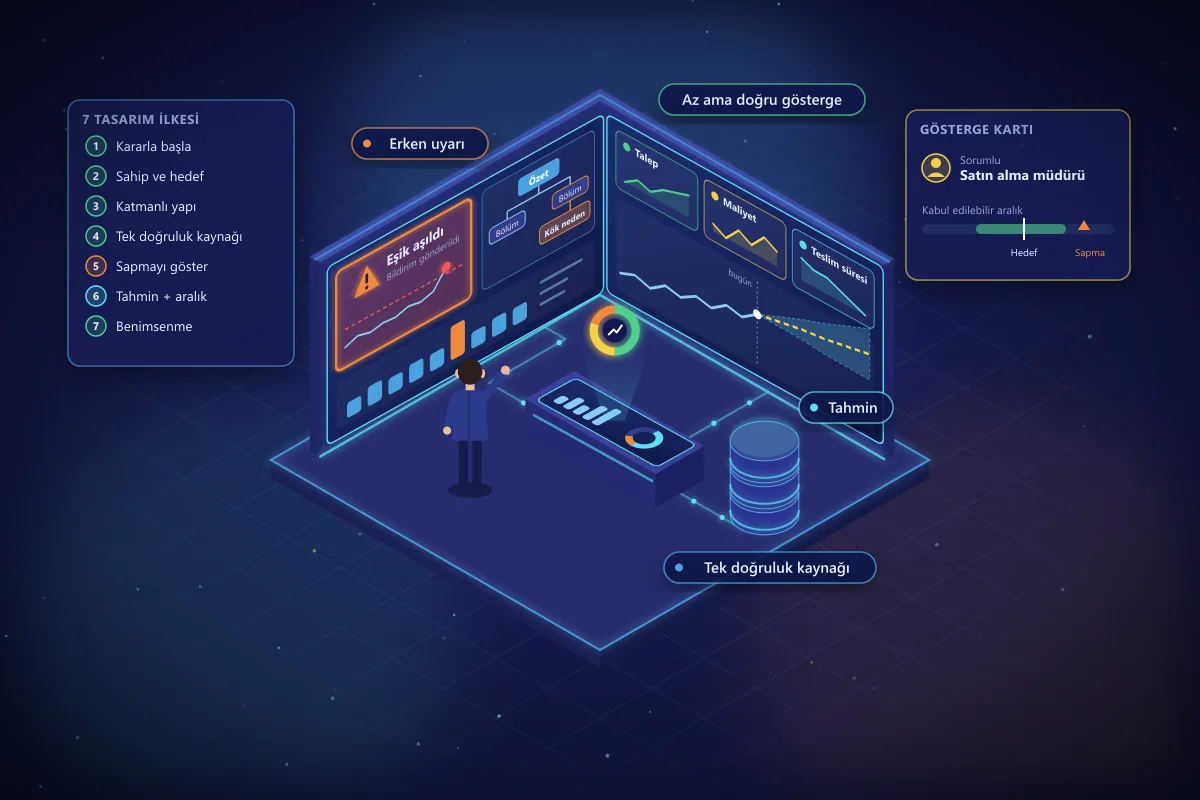
AI-Powered Management Dashboard Design: 7 Principles
Most management dashboards show a lot but drive few decisions. Seven design principles for an effective dashboard, from choosing the right indicators to early warnings, forecasting models, and user adoption.
 blueskydx
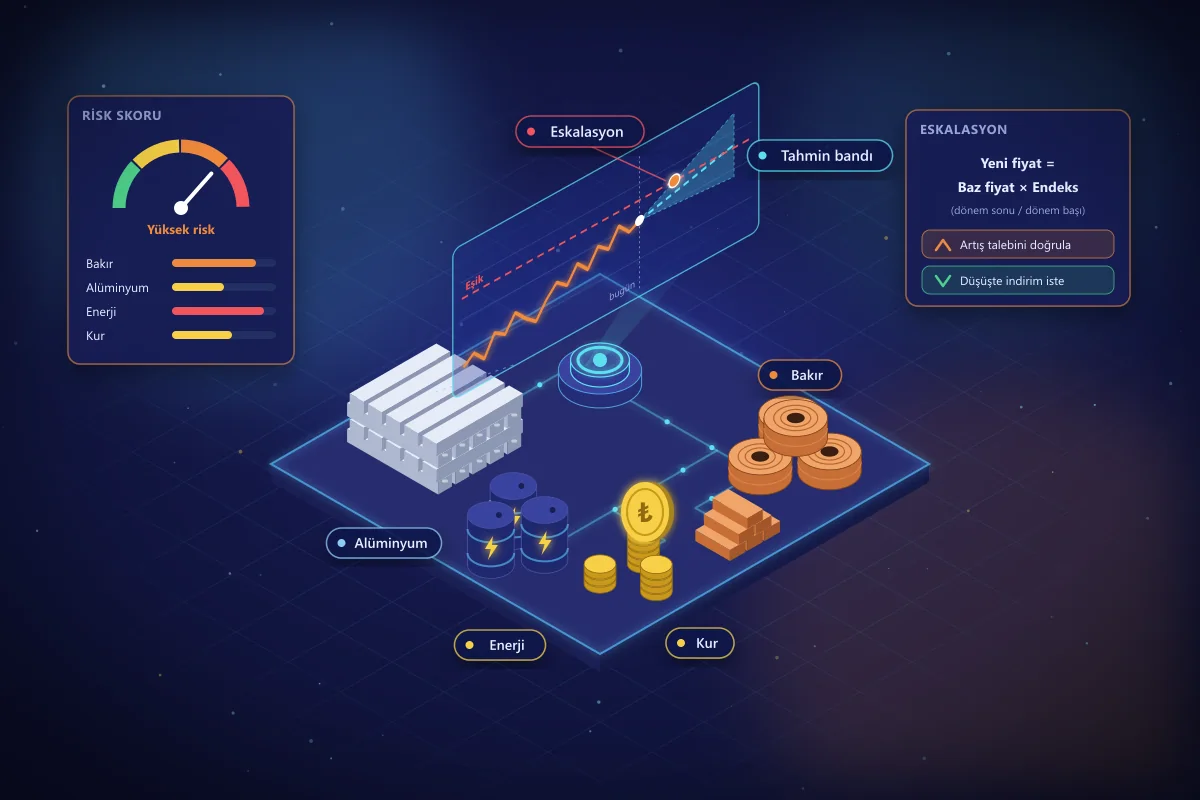
Commodity Price Risk: AI Forecasting and Escalation
Swings in copper, aluminum, energy, and exchange rates directly affect procurement costs. How to manage commodity risk with AI-powered price forecasting and escalation tracking.
