Reduce Your Carbon Footprint with Green Technology
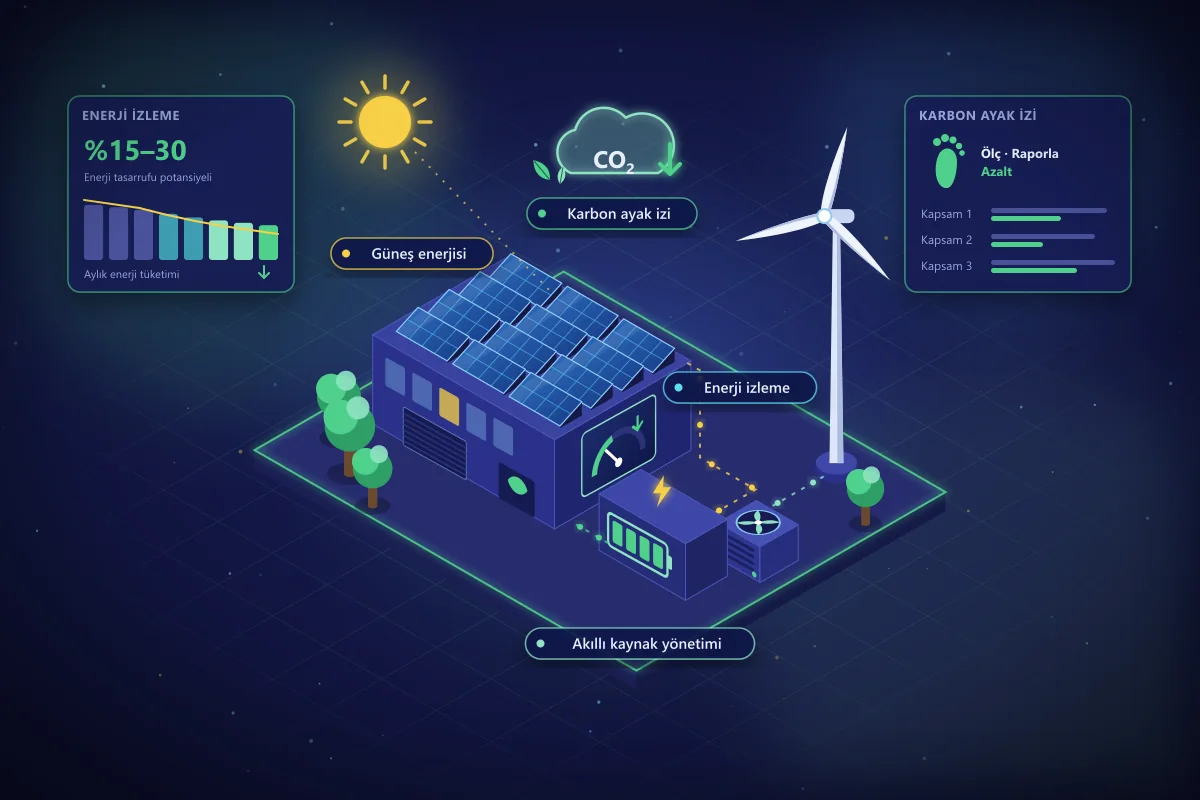
Sustainable manufacturing is no longer just an environmental responsibility; it has become a powerful competitive advantage and an investor expectation. Climate change, resource scarcity, and mounting regulatory pressure are pushing organizations to measure, report, and reduce their carbon footprint. Digital technologies are among the most powerful tools for this transformation.
Smart Energy Management Systems
In manufacturing facilities, energy is one of the largest cost items and a direct source of carbon emissions. Smart energy management systems use IoT sensors and AI algorithms to monitor, analyze, and optimize energy consumption in real time.
Machine learning models forecast energy demand based on the production plan and shift energy-intensive processes to off-peak tariff hours. The operating parameters of energy-hungry equipment such as compressors, pumps, and HVAC systems are optimized automatically. With this approach, facilities can achieve energy savings of fifteen to thirty percent.
Carbon Footprint Measurement and Reporting
The first step in reducing your carbon footprint is measuring it accurately. Emissions should be tracked across three layers: Scope 1 (direct emissions), Scope 2 (emissions from purchased energy), and Scope 3 (supply chain emissions).
Digital carbon accounting platforms automatically collect data from multiple sources and perform emissions calculations. They generate reports aligned with international standards such as the GHG Protocol, ISO 14064, and CDP. These reports both meet regulatory requirements and present ESG (Environmental, Social, and Governance) performance transparently to investors.
The Circular Economy and Digital Transformation
The shift from the linear "take-make-dispose" model to a circular economy is one of the cornerstones of sustainability, and digital technologies are accelerating it. Product lifecycle management (PLM) systems track the entire process from design to recycling. Digital product passports transparently share material composition and recycling instructions.
In waste management, AI-powered sorting systems automatically separate recyclable materials. In the supply chain, blockchain technology enables the verification and traceability of sustainability claims.
Green Supply Chain Management
The majority of an organization's carbon footprint originates in its supply chain. Evaluating environmental criteria in supplier selection, optimizing logistics routes, and expanding local sourcing opportunities can significantly reduce supply chain emissions.
Digital supply chain platforms monitor suppliers' environmental performance, identify carbon-intensive suppliers, and model alternative scenarios to recommend the lowest-emission sourcing strategy.
AI in Sustainable Manufacturing
AI is a powerful tool for reaching sustainability goals. Optimization algorithms that minimize material waste in production processes, models that forecast and optimize energy consumption, early warning systems that detect waste generation in advance, and smart control mechanisms that optimize water use are just a few of AI's applications in sustainability.
The Regulatory Landscape and Opportunities
The European Union's Carbon Border Adjustment Mechanism (CBAM) directly affects exporters in Turkey. Exports of carbon-intensive products to the EU will incur additional costs. Companies that are prepared for this regulation will gain a competitive advantage, while those that are unprepared may lose market share.
At BlueSkyDX, we support organizations on their sustainability journey in energy management, carbon accounting, process optimization, and reporting infrastructure. By aligning digital technologies with your sustainability goals, we help you fulfill your environmental responsibilities while improving your operational efficiency.
Related service
Data Analytics and Decision Support Frameworks
Latest Insights
 blueskydx
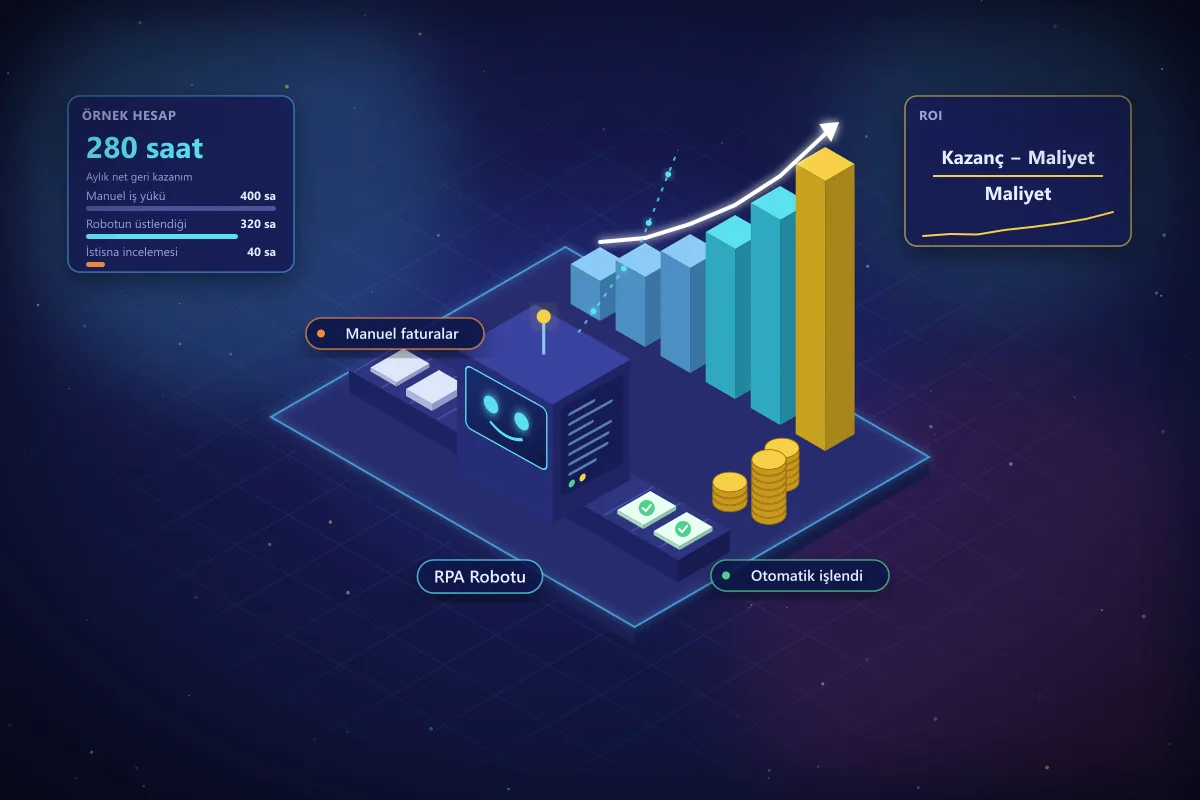
How to Calculate the ROI of an RPA Investment
Before starting an RPA project, how do you know which processes will actually pay off? A step-by-step ROI guide covering cost items, benefit items, a sample calculation, and common mistakes.
 blueskydx
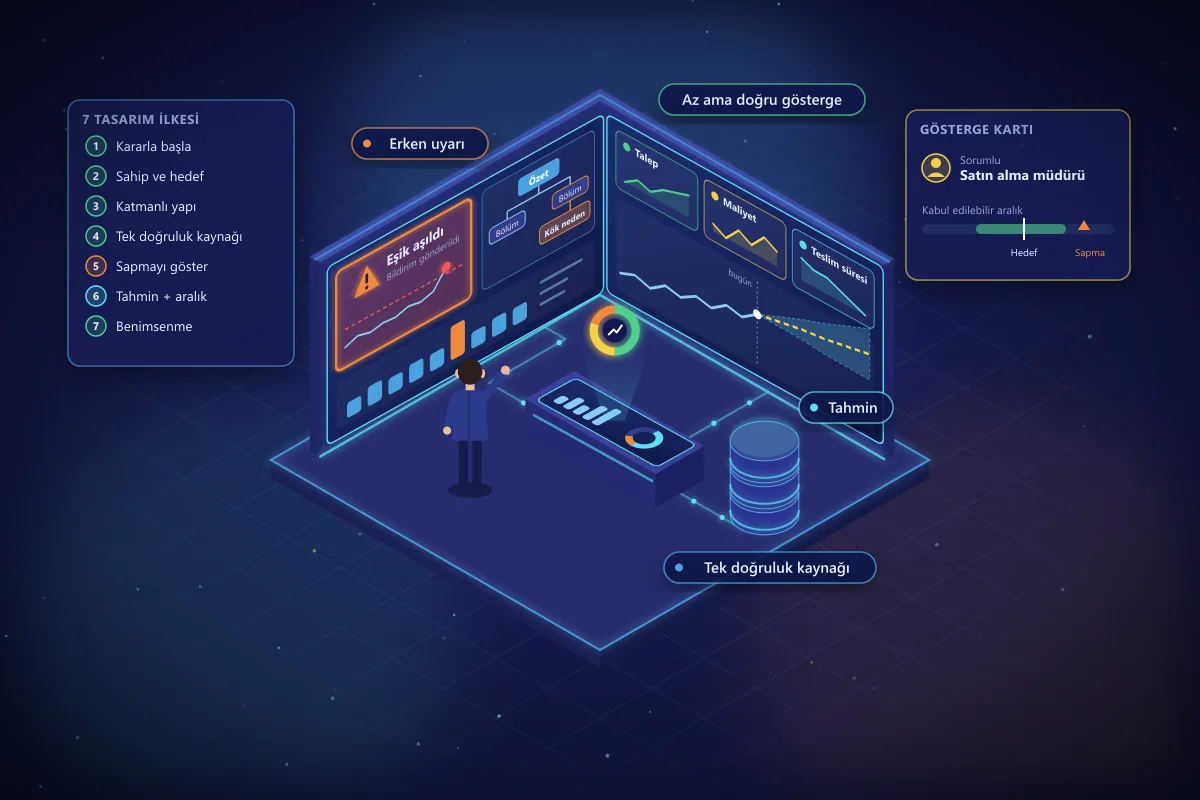
AI-Powered Management Dashboard Design: 7 Principles
Most management dashboards show a lot but drive few decisions. Seven design principles for an effective dashboard, from choosing the right indicators to early warnings, forecasting models, and user adoption.
 blueskydx
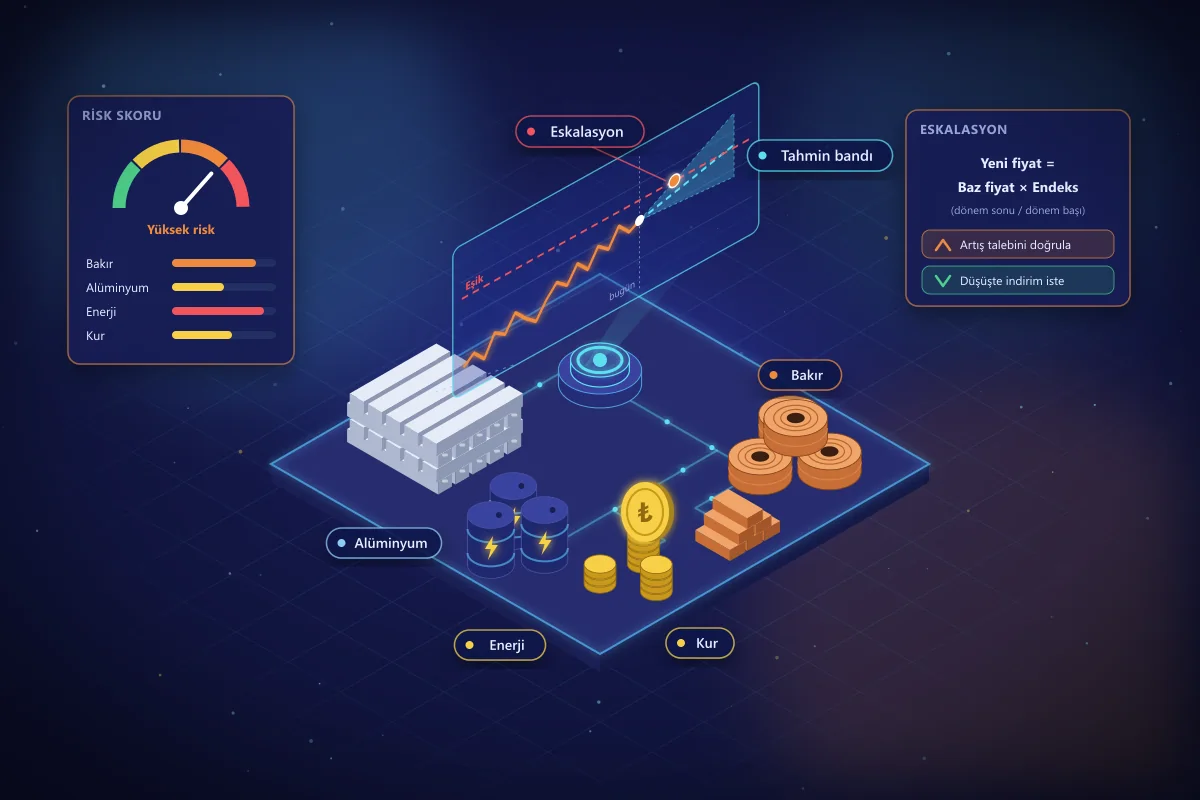
Commodity Price Risk: AI Forecasting and Escalation
Swings in copper, aluminum, energy, and exchange rates directly affect procurement costs. How to manage commodity risk with AI-powered price forecasting and escalation tracking.
