Data Security and Encrypted Tunnels: Protect Your Data
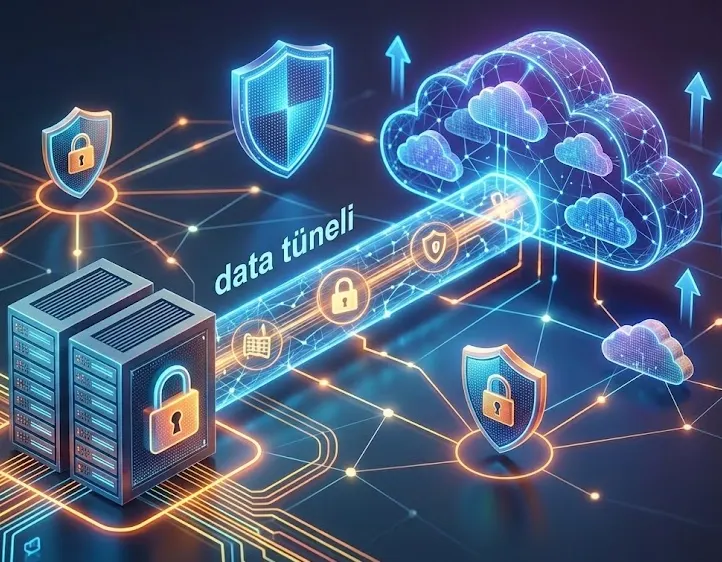
In the digital age, data security has become one of the most critical priorities for any business. Every day, organizations move terabytes of data between locations, cloud systems, and business partners. When that data flow is not secured, financial losses, reputational damage, and regulatory penalties become inevitable. Encrypted data tunnels form one of the most fundamental layers of defense, ensuring that sensitive information is transmitted securely.
Encrypted Tunnel Technologies and How They Work
Encrypted tunnels are virtual connections that protect data communication between two endpoints using cryptographic methods. Protocols such as VPN (Virtual Private Network), IPsec, SSL/TLS, and WireGuard form the foundation of these tunnels. Each protocol has its own strengths and use cases.
IPsec operates at the network layer, encrypting all IP traffic, and is the preferred choice for site-to-site connections between branch offices. SSL/TLS operates at the application layer and is widely used for web-based access. WireGuard, with its modern and lightweight design, delivers high performance while keeping configuration complexity to a minimum.
Security Layers in Enterprise Data Transfer
An effective data security strategy should rest on a layered approach rather than a single technology. End-to-end encryption protects data from source to destination. Encryption in transit (TLS) secures data while it is moving. Encryption at rest (AES-256) protects stored data. Key management, in turn, is the critical component that determines the reliability of all these encryption processes.
For organizations subject to regulations such as KVKK (Turkey's Personal Data Protection Law) and GDPR, data encryption is no longer optional; it is a legal requirement. Failing to apply appropriate encryption methods when processing and transferring personal data can result in substantial administrative fines.
Where Zero Trust Meets Data Security
The traditional security model treated the inside of the corporate network as safe and the outside as dangerous. With the rise of remote work, cloud services, and mobile access, however, that boundary has all but disappeared. The Zero Trust approach does not automatically trust any user or device, whether inside or outside the network; every access request is verified, authorized, and continuously monitored.
Combined with encrypted tunnels, a Zero Trust architecture creates a strong line of defense. Micro-segmentation isolates network traffic, the principle of least privilege ensures users access only the resources they need, and continuous verification keeps sessions secure.
Data Security in the Cloud
Most organizations now run hybrid or multi-cloud architectures. In these environments, data security poses different challenges than on-premises systems. Organizations need a clear understanding of the shared responsibility model with their cloud providers, must classify their data, and should apply additional encryption layers to sensitive data.
CASB (Cloud Access Security Broker) solutions prevent data leakage by controlling access to cloud applications. DLP (Data Loss Prevention) policies stop sensitive data from leaving the organization through unauthorized channels.
The Evolution of Threats and Proactive Defense
Cyber threats are constantly evolving. Ransomware, advanced persistent threats (APTs), supply chain attacks, and social engineering techniques grow more sophisticated by the day. That is why a security strategy cannot be static; it must be dynamic and adaptive.
AI-powered threat detection systems can identify anomalies in network traffic in real time. SIEM (Security Information and Event Management) platforms correlate security events from multiple sources to provide holistic visibility.
The Right Strategy for Your Organization
Data security is not a one-time project; it is an ongoing process. Regular security audits, penetration testing, employee awareness training, and incident response plans are indispensable components of that process. At BlueSkyDX, we assess organizations' data security infrastructure, conduct risk analyses, and design security architectures tailored to their needs.
Related service
Digital Transformation Consulting
Latest Insights
 blueskydx
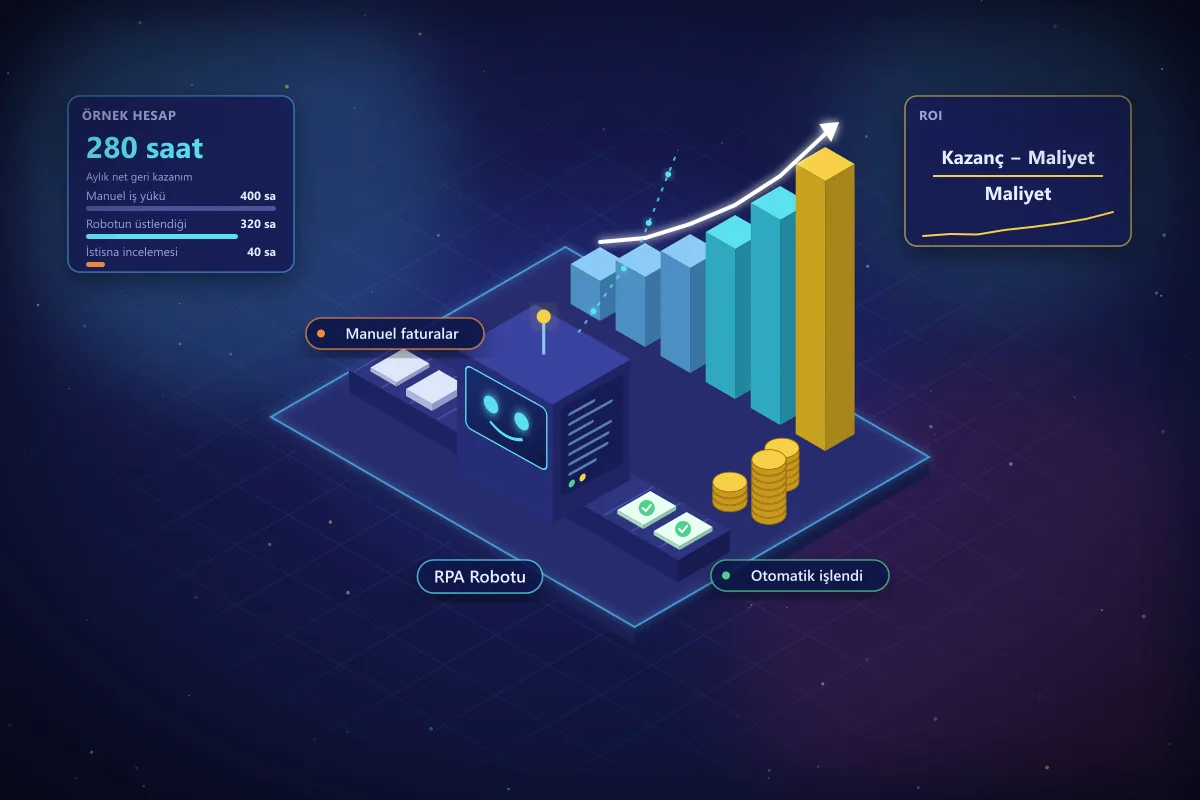
How to Calculate the ROI of an RPA Investment
Before starting an RPA project, how do you know which processes will actually pay off? A step-by-step ROI guide covering cost items, benefit items, a sample calculation, and common mistakes.
 blueskydx
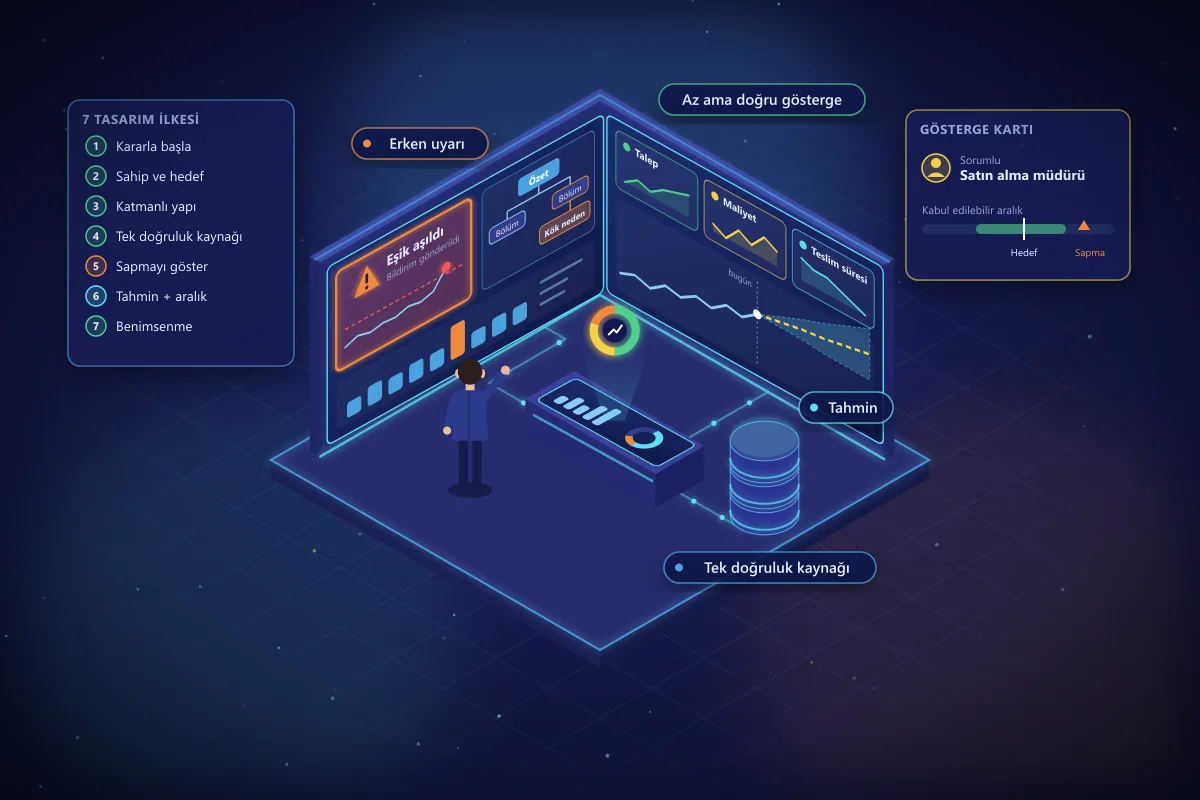
AI-Powered Management Dashboard Design: 7 Principles
Most management dashboards show a lot but drive few decisions. Seven design principles for an effective dashboard, from choosing the right indicators to early warnings, forecasting models, and user adoption.
 blueskydx
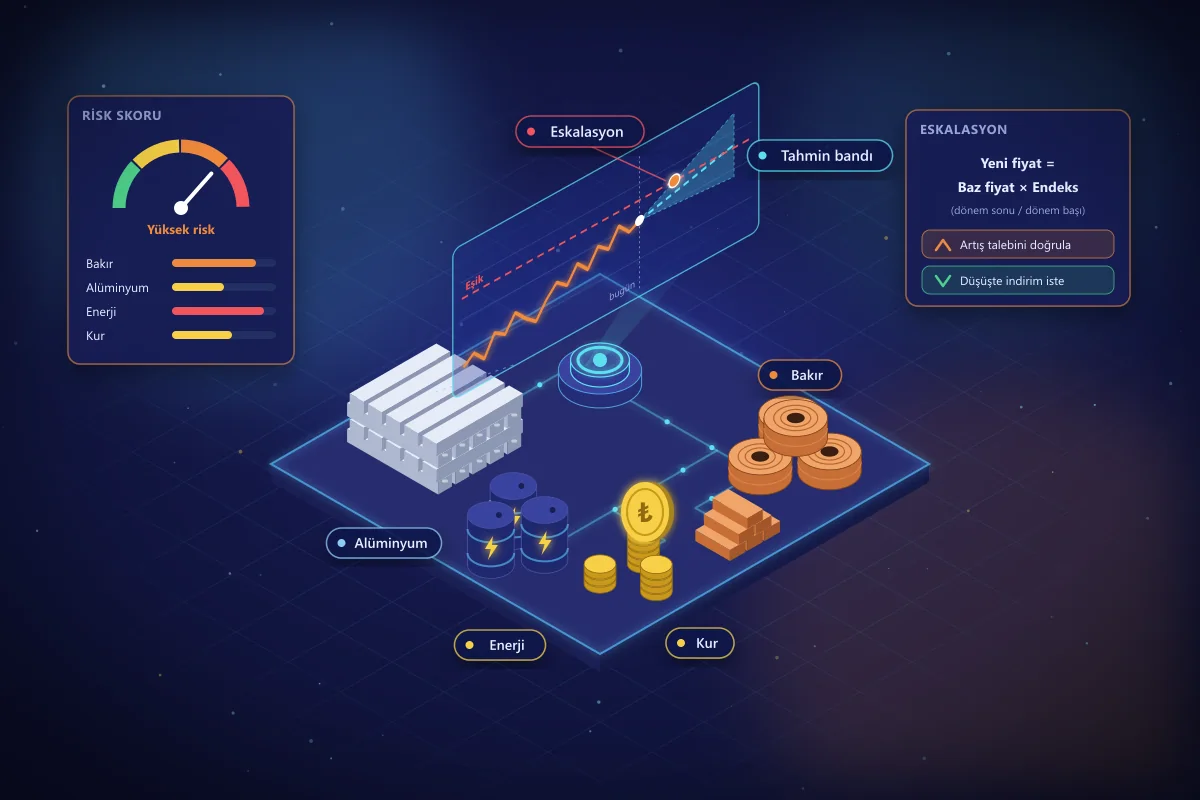
Commodity Price Risk: AI Forecasting and Escalation
Swings in copper, aluminum, energy, and exchange rates directly affect procurement costs. How to manage commodity risk with AI-powered price forecasting and escalation tracking.
